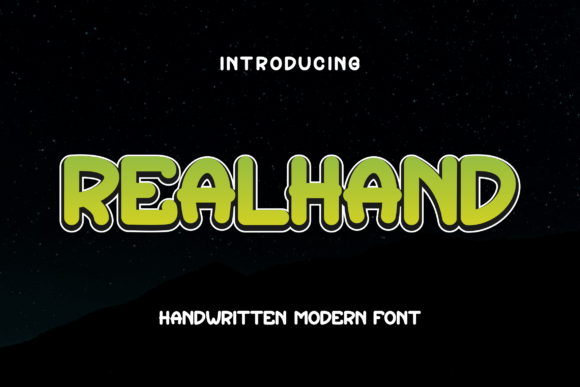
Realhand: A Designer's Review of This Bold Display Font
When a new typeface lands in my library, I don't just look at the specimen sheet. I immediately open it in my design software and start testing it against real-world scenarios. As a professional who has spent years refining brand identities and crafting marketing visuals, I know that a font is only as good as its performance under pressure. Realhand caught my eye recently, promising a distinct visual personality that sits somewhere between rugged craftsmanship and modern elegance. After putting this display font through its paces on various client projects, here is my honest assessment of whether it belongs in your toolkit.
The First Impression: Mood and Character
The moment you type out a headline in Realhand, the mood shifts. It feels organic yet structured, carrying a weight that commands attention without screaming for it. Unlike many generic script fonts that can feel overly decorative or messy, Realhand maintains a clean legibility even at larger sizes. The strokes have a natural variation that mimics the human hand, giving it an authentic, artisanal quality. This makes it instantly suitable for brands that want to project warmth, creativity, and a touch of premium sophistication.
Visually, Realhand possesses a strong character. It does not blend into the background; it anchors the design. For logo design work, this is crucial. A logo needs to be memorable, and Realhand offers that immediate recognition. However, because it is such a strong creative font, it demands respect in how it is paired with other elements. It works best when given space to breathe, allowing its unique letterforms to define the visual hierarchy of the piece.
Performance in Real-World Projects
I have tested Realhand across a wide spectrum of applications, from digital ads to physical packaging, and its versatility is impressive. In packaging design, particularly for craft goods, skincare, or gourmet food products, Realhand excels. On product labels, it conveys a sense of handmade quality that mass-produced sans serif fonts often fail to achieve. When placed on a minimalist label with ample negative space, it elevates the perceived value of the product, signaling to the consumer that this is a premium font choice for a premium item.
For web design and digital marketing, Realhand serves as an excellent hero element. Using it for website headers or blog graphics creates an immediate emotional connection with the reader. It breaks the monotony of standard web typography and adds a layer of personality that helps content stand out in a crowded feed. I found it particularly effective for social media graphics where engagement relies on stopping the scroll. A quote or a call-to-action rendered in Realhand draws the eye and encourages interaction.
In the realm of editorial design, Realhand shines in magazine covers or feature article pull quotes. It adds a dynamic flair to layouts that might otherwise feel too rigid. Similarly, for event invitations, flyers, and posters, this typeface sets the tone perfectly. Whether it is a wedding invitation needing a personal touch or a festival poster requiring bold energy, Realhand adapts well to the context while maintaining its core identity.
Strategic Use Cases and Limitations
While Realhand is powerful, it is not a universal solution. As a display font, its primary strength lies in large headlines and short phrases. I strongly advise against using it for body copy or long paragraphs. At smaller sizes, the intricate details of the letterforms can become muddy, reducing readability and frustrating the user. Your audience trust depends on clear communication, and if they have to squint to read your message, you have lost them.
Use Realhand carefully for brand marks and decorative accents. It is perfect for highlighting key words in a sentence or creating a signature look for a brand name. However, avoid overusing it. If every element of your design screams, nothing stands out. Let Realhand be the voice that speaks loudly and clearly, while supporting text handles the conversation.
It also requires careful consideration regarding spacing. The kerning in Realhand can be tight by default, so adjusting letter-spacing is often necessary to ensure the text looks balanced and professional. Always test it in black and white first to see if the contrast holds up before adding colors or textures. This simple step ensures that your design assets remain versatile and print-ready.
Pairing and Design Harmony
One of the most critical aspects of using any handwritten font is finding the right partner. Realhand pairs beautifully with clean, geometric sans serif fonts. The contrast between the organic flow of Realhand and the rigid structure of a sans serif creates a modern, sophisticated look that works well for contemporary brands. Alternatively, pairing it with a classic serif font can evoke a more traditional, editorial feel, perfect for luxury goods or heritage brands.
When experimenting with font pairing, try placing Realhead alongside different styles to see what resonates. Does it clash with another script? Probably. Does it harmonize with a bold display font? Maybe, but it risks becoming too busy. The goal is to create a cohesive brand identity where each typeface plays a specific role. Realhand should be the star, supported by understated partners that enhance rather than compete with its visual impact.
Practical Notes for Commercial Use
Before integrating Realhand into any client work or business asset, always confirm the licensing terms. As a commercial font, it must be licensed appropriately for the intended use, whether that is for a single logo, a full branding suite, or unlimited web usage. Never assume a free trial allows for commercial deployment; this can lead to legal issues down the line.
Finally, test Realhand on real mockups. Seeing how it looks on a t-shirt, a coffee cup, or a mobile screen provides invaluable insight into its practical application. Check how the uppercase and lowercase letters interact, and ensure the visual mood aligns with your target audience. If you are designing printable products or Canva templates, remember that high-resolution files are essential to maintain the crispness of the letterforms.
In conclusion, Realhand is a robust addition to any designer's arsenal. It brings a unique blend of personality and professionalism to digital products and physical designs alike. Used wisely, it can transform a good design into a great one, establishing a strong visual presence that resonates with audiences and strengthens brand recognition. Just remember: less is more. Let Realhand speak where it matters most, and watch your designs come alive.