Garment: A Beautiful Display Font for Makers
The afternoon light was filtering through the window, casting a soft glow over my worktable scattered with wax samples, empty glass jars, and a half-empty cup of tea. I was in the middle of designing labels for a new batch of lavender and vanilla soy candles, but something felt off. The text looked too stiff, too corporate. It didn't match the cozy, handmade spirit of the product itself. That is when I opened my library to search for a different vibe, and that is when I found Garment. As soon as I typed out "Lavender Dreams" in this typeface, the design transformed instantly. The letters seemed to breathe, carrying an elegance that felt both timeless and fresh. It wasn't just another display font; it was the missing piece that turned a simple label into a boutique-worthy package.
Discovering the Visual Charm of Garment
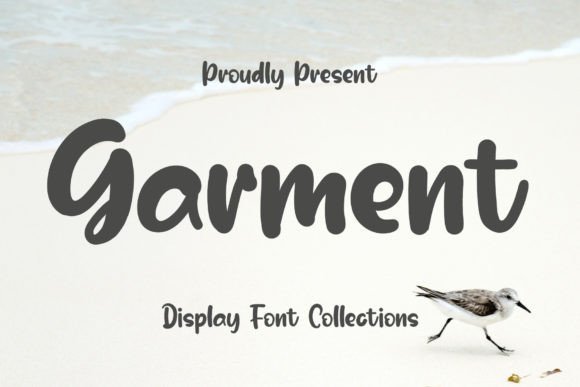
Garment is more than just a collection of characters; it is a mood setter. As a display font, it possesses a unique visual personality that balances sophistication with approachability. When you look closely at the strokes, you can see subtle curves and refined details that give it a handcrafted feel without sacrificing readability. This makes it perfect for projects where the typography needs to be the star of the show. Whether you are creating digital mockups or preparing physical print files, the way Garment renders on screen and on paper feels premium. It has that editorial quality often seen in high-end magazines, yet it remains versatile enough for the small-batch crafter working from a home studio.
The charm of this typeface lies in its ability to elevate simple words. I tested it on a few different backgrounds—matte black cardstock, kraft paper, and even a white ceramic mug—and it held its own in every scenario. The weight of the letters is substantial enough to stand out on packaging but delicate enough not to overwhelm the design. For makers who want their brand identity to scream "quality" without shouting, Garment offers a sophisticated solution that resonates with customers looking for thoughtful, artisanal goods.
Bringing Your Handmade Labels to Life
One of the most immediate applications for Garment is in product labeling. In my candle-making journey, I realized that the label is often the first thing a customer touches. Using a standard sans serif font felt generic, but switching to Garment gave the entire jar a sense of occasion. The font works beautifully for short phrases, product names, and decorative wording. Imagine a wedding invitation suite where the couple's names are written in this elegant style, or a set of planner stickers where the monthly headers pop with character. Because it is designed as a display font, it excels at capturing attention quickly, making it ideal for titles and headlines rather than long paragraphs of body text.
I also experimented with using Garment for boutique tags and packaging inserts. When you slip a thank-you note printed with this typeface into a shipping box, it adds a layer of personal care that customers notice. It transforms a transaction into an experience. For those selling printable wall art, the font provides a clean, modern aesthetic that fits well in farmhouse, boho, and minimalist decor styles. The key is to let the letterforms do the heavy lifting; they carry so much style that they require very little embellishment to look spectacular.
Practical Tips for Cutting and Printing
While Garment looks stunning in a digital preview, practical application requires some consideration, especially if you are using cutting machines like Cricut or Silhouette. When designing for small stickers or intricate die-cuts, it is important to check how the thinner parts of the letters render. I found that increasing the stroke width slightly for very small sizes ensures that the vinyl cuts cleanly without tearing. Always do a test cut on scrap material before committing your final adhesive sheet. For printed cards and invitations, the font holds up remarkably well even at smaller point sizes, provided you have a high-resolution printer. However, for the best results, keep the text large enough to be legible from a comfortable viewing distance.
Readability is crucial for any commercial product. While Garment is visually striking, it should generally be reserved for display purposes. Avoid using it for lengthy descriptions or legal disclaimers on the back of a bottle. Instead, pair it with a clean, simple font for the fine print. This contrast creates a balanced hierarchy that guides the eye naturally. The bold presence of Garment draws attention to the main message, while a neutral companion font handles the details. This combination is a staple in professional logo design and editorial layouts, and it works just as well for your small business branding.
Mastering Font Pairing and Design Harmony
Choosing the right partner for Garment can take your designs from good to great. Because this typeface has such strong character, it pairs beautifully with understated fonts. A crisp sans serif font works wonders for body text, providing a modern counterpoint to the elegance of Garment. If you are aiming for a more romantic or vintage look, try pairing it with a simple script font or a handwritten style for secondary accents. Just ensure the weights don't clash; you want the two fonts to complement each other, not compete. For social media graphics and web design, this pairing strategy helps maintain brand consistency across all your platforms, from your Instagram feed to your online shop listing images.
When building your brand identity, consistency is key. Using Garment across your packaging, business cards, and website headers creates a cohesive visual language. Customers begin to recognize your products by the look of the text alone. This recognition builds trust and perceived value. Whether you are creating seasonal holiday tags, summer tote bag prints, or year-round greeting cards, having a signature display font helps unify your diverse product line. It signals to your audience that you pay attention to the details, from the scent of the candle to the kerning of the label.
Licensing and Commercial Readiness
Before you start printing hundreds of labels or uploading your SVG files to a marketplace, it is essential to understand the licensing terms. Garment is available as a commercial font, which means you can use it to create physical products for sale, such as shirts, mugs, and signs, as well as digital downloads like templates and printables. However, always double-check the specific license agreement included with your purchase. Some licenses may have restrictions on the number of end products or the types of digital assets allowed. Ensuring you have the correct commercial rights protects your business and gives you peace of mind as you scale your operations.
Additionally, take a moment to explore the included features of the font file. Many premium display fonts come with alternates, ligatures, swashes, and multiple weights. These extras allow you to customize your designs further. You might find a special flourish for the capital 'G' or a unique connector between letters that adds a bespoke touch to your wedding invitations. Checking for multilingual support is also wise if you plan to sell internationally or serve a diverse customer base. By fully utilizing the design assets within the Garment family, you can create truly unique pieces that stand out in a crowded market.
Ultimately, the joy of crafting comes from seeing your vision come to life. Finding the right tools, like a beautiful display font, makes that process smoother and more inspiring. Garment has become a go-to in my creative toolkit because it consistently delivers that "wow" factor. From the first draft on my screen to the final product in a customer's hands, it brings a level of polish and personality that elevates every project. Whether you are a seasoned Etsy seller or just starting your handmade journey, incorporating this typeface into your workflow can help you create designs that are not only functional but truly memorable.